IPTV vs Satellite TV: Weather, Installation, and Cost Compared
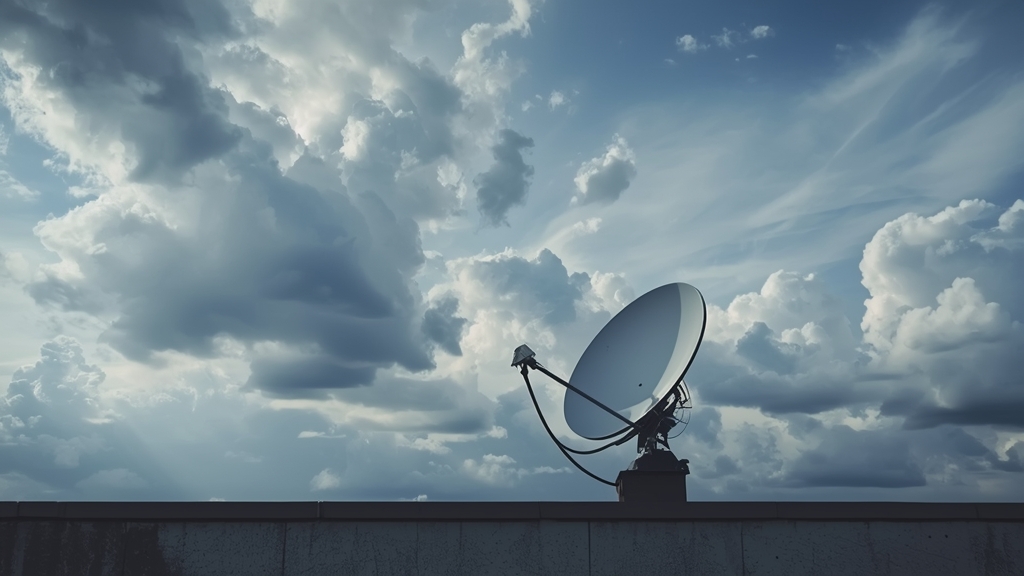
Satellite TV delivers channels from an orbiting satellite to a dish mounted on your home, while IPTV delivers the same kind of live channel lineup over your existing internet connection. The practical differences show up most in weather reliability, installation, and equipment cost.
Weather sensitivity
Satellite signals are vulnerable to heavy rain, snow buildup on the dish, and high winds knocking the dish out of alignment — a well-documented limitation covered in FCC consumer guides on satellite service. IPTV has no dish to misalign; it is only as reliable as your home internet connection, which is typically far more stable than a line-of-sight signal to space.
Installation and equipment
Satellite requires professional dish installation, a clear line of sight to the southern sky, and a receiver box per TV. IPTV needs none of that — install the Layerseven app on a Fire TV Stick or a compatible Smart TV and you are watching within minutes, with no technician visit.
Channel range and contracts
Satellite providers typically offer 150-290 channels depending on tier, often with a multi-year contract and early termination fees. Layerseven IPTV carries 24,000+ channels with no contract, on plans as short as one month — see our full cost breakdown for pricing details that apply to satellite as well as cable.
Which is right for you?
If you live somewhere with frequent severe weather or unreliable internet, satellite's independence from a home broadband connection is a real advantage. If your internet is stable, IPTV wins on cost, channel range, and having no equipment to install or maintain — including for sports viewing without regional blackouts.